Menu Suggestion: Tenderloin Dinner

“When I grow up, I’m only going to do the things I like to do.”

My son has lived a charmed life so far. In addition to two older sisters doting upon him and a mother and a father who find it difficult to resist the impish grin he inherited from his dad, he has a fun-loving nature which usually protects him from any drudgery that comes his way. This Autumn, though, he’s been a bit disgruntled by a change in his comfortable life.

With his oldest sister going off to college, he no longer can stay at home while my husband and I are attending meetings and carpooling our other daughter to various activities. The other day, while he was being taken against his will, to a meeting of mine, he declared that he was only going to do things which he liked when he grew up.

Being the terrible parent that I am, I laughed, and my confused son wanted to know what was so funny. I told him that unfortunately for him, life is very much made up of activities which people don’t often like to do but simply must. He didn’t understand, so I asked him how he’d feel if I gave up doing things I didn’t like as much as other activities such as playing 20 questions with him on car rides or reading the same book to him over and over again or doing his laundry or washing his dishes three meals a day every single day.

It’s been a couple of days now, and my son still hasn’t answered my question. *laugh* I’m thinking he didn’t quite like the picture I had painted for him!

I was reminded of this conversation last night when I received an email: “Dear Paula,” it said. “I hate to cook, and I have to host Christmas dinner. Do you have any suggestions for something easy which will still impress my family?”

The fact is that many people don’t like to cook, and holidays can be stressful if suddenly you’re the one selected to host. Fortunately there are many easy menu suggestions, and I’ll share what I shared in my email:

If you’re hosting a large gathering, don’t want to do a lot of work, and want something which will taste good no matter how poor a cook you may be, you can’t go wrong with a tenderloin. It’s a very tender meat, needing very hands-off cooking, and can withstand any overcooking you might do. Plus you have choices: beef, pork, or turkey, and if you make a special sauce to spoon over it, people will think you’ve slaved away when in reality you’ve done very little.

Easy Holiday Dinner Menu:

1. The tenderloin: Choose which type you prefer, mix together some dried herbs of your choosing with a tiny bit of olive oil and rub all over the tenderloin. Put the tenderloin into a pan which just fits the meat, cover with aluminum foil, and cook in the oven for 15 to 20 minutes per pound. Most packages will suggest you use a preheated 400 or 425 degree oven, but you can also cook the meats at 350 or 375 degrees for a slower roasting time. When it’s done, you can simply turn off your oven, and let the meat sit in the oven until you’re ready to serve it.

2. The sauce: You can find all sorts of sauce recipes for tenderloin online, but one I always get rave reviews for is an artichoke cream sauce which I make: Drain a 14 ounce container of artichoke bottoms (can be found at the grocery store next to artichoke hearts), keeping the liquid. Mix the liquid with enough “milk” to make 2 cups. (I usually use soy or flax, but any will do.) Puree the artichoke bottoms in a food processor with 1/4 cup dry or cooking white wine (if you don’t want to use the alcohol, just use 1/4 cup of water or “milk”). In a large shallow pan, heat 2 tbsp of olive oil for about 30 seconds. Add 1/4 cup flour (I usually use a gluten free oat flour, but any will do), whisking well. Slowly pour the artichoke liquid/milk mixture into the rue, whisking well to combine the liquid with the flour mixture. Keep stirring, and let the mixture thicken, usually just a few minutes will do it. Add 1/8 tsp of black pepper and 1/4 tsp of dried thyme. Mix in the pureed artichoke bottoms until the sauce is smooth and creamy. Serve in a pretty dish with a ladle or in a gravy boat. Note: This can be made ahead of time and then just reheated before use. 

3. The veggie side dish: Choose any frozen vegetable you like, but one my children love is green beans. Put the frozen veggies into a large shallow pan with 1/2 cup or more of frozen diced onions. Add dried herbs of your choosing and black pepper to taste. Sprinkle a bit of olive oil, maybe a tsp or two, and simply saute the frozen veggies over low heat until they are cooked through. Starting with frozen veggies and cooking them over low heat means you don’t have to do more than occasionally stir the veggies, and if you forget about them, and overcook them a little, they still taste good, because the slow cooking allows the flavors to meld more.

4. The starchy side dish: You can’t go wrong with rice, ever. It doesn’t require a lot from you, and you can jazz it up very easily. I have a rice cooker which makes things even easier, but even if you have to make the rice in a pot on a stop, it’s still very hands-off: Purchase an uncooked rice medley. I like a Trader Joe’s mix which is long grain brown rice, black barley, and daikon seeds, but any will do. Cook the rice according to instructions (which is usually to just let it simmer over low heat, stirring occasionally) but instead of water use a low sodium, fat free vegetable or chicken broth, and add finely chopped veggies like carrots, zucchini, broccoli, peppers, or squash. When the rice cooks, the flavors of the broth and veggies, as well as the pretty colors, will make for a special side dish which required very little work.

5. The dessert: If you want something which seems fancy and is very pretty, but also quite easy, an upside down pineapple cake is the way to go. You can prepare this ahead of time.

At your grocery store, pick-up a fresh, peeled, cored pineapple. My store usually has it in a clear 18 oz container in the fruit section. Remove the core, and slice the pineapple into eight slices (they’ll be about 1/2 inch thick). Decide what you want for your cake: circles, half circles, or 1/4 fans. (I usually cut the circles into the 1/4 fans, because I think it’s prettier that way.)

In a shallow, large pan, melt 1/4 cup “butter” (I use Earth Balance soy-free, vegan butter) with 1/4 cup Agave. Add the pineapples and cook for 5 minutes, flipping them after about 2 1/2 minutes. Remove the pineapple slices, putting onto the bottom of a greased 9 x 13 pan. Cook the butter mixture another minute until it’s thickened, and then evenly pour it over the pineapple slices.

Mix 2 cups of a brown rice gluten free flour blend like Authentic Foods or King Arthur with 1/2 cup sorghum flour, 1 tsp baking powder, 1 tsp baking soda, 1/2 tsp salt, and 1/tsp cardamom. Set aside.

Mix 1 cup Toffuti sour cream with 1/2 cup safflower oil, 2 eggs, and 2/3 cup Agave.

Add the dry ingredients to the wet and quickly mix them together just until the dry ingredients are moistened. Carefully spread the batter over the pineapples. If the batter doesn’t go completely to the edges, don’t worry, it’ll spread when cooking.

Bake in a preheated 350 degree oven for about 30 minutes. The cake will be golden brown and a toothpick inserted in the center will come out clean. When you take the cake out of the oven, you can cool it on a wire cooling rack and then flip it or you can flip it immediately and then let it cool on a wire rack. Either way, though, be sure to flip it onto a pretty platter which has a rim for catching any of the syrup. If a pineapple is stuck on the bottom of the pan, just pull it off and insert it back into its missing space.

When you serve the cake, you can serve it with whipped cream or ice cream or just plain, by itself.
 

Holiday Traditions: Revamping Gingerbread

“Your daughter made the entire class cry.”

My oldest was in Kindergarten when I received a phone call from her teacher who was concerned about the fallout of my daughter having caused distress to all her little classmates.

The evening before we had spoken with our children, only the two daughters at the time, about Saint Nicholas, about the real person who had cared deeply for the poor children of his country at the time, and how he had died but that his spirit lived on in the modern version of Santa Claus.  Apparently, the next day, when my daughter’s classmates were talking about Santa Claus, her little truthful autistic self felt compelled to let her classmates know that Saint Nicholas was dead,which her classmates interpreted as Santa Claus having just died and that there’d be no Christmas that year.

We had to have a nice long chat with our daughter about what exactly one can share with other people and exactly how one should go about sharing even if “it’s the truth” as she kept insisting.

What I remember clearly from the incident, though, was the surprise of the teacher when we explained that the issue arose because we didn’t actually encourage a belief in a current active Santa Claus, that we wanted our children to learn compassion and care for people around them by understanding what the real Saint Nicholas did because of his faith in God and that our children and we, too, could care for the people around us and take care of the poor because of our faith.

At the time, she seemed to think that we were somehow depriving our children of “imagination” as she put it. We argued that our children had plenty of that without any extra help from Santa Claus and that while we didn’t push a belief in Santa Claus, our children did believe in the Tooth Fairy and Leprechauns so they weren’t completely without a fairy world.

I doubt we convinced her, though, and I find that the same thing happens when it comes to food traditions for the holiday. Too often people tell me that they don’t want to try my holiday goodies because “it won’t be the same”. My argument is that it’s not supposed to be the same. Traditions are wonderful, and our family has boatloads of them, but change is good, too, and sometimes, something new can be even better than the original tradition, especially if it means that you can include the members of your family who otherwise would have to miss out on the food tradition because of their food allergies or restrictions.

One of the holiday food traditions in the States is the making of gingerbread. Last year, I shared how we had revamped a roll-out ginger cookie recipe. This year, I’m going to share a gingerbread recipe. We made this for my in-laws over Thanksgiving, and we tweaked it a bit to make it even better for Christmas.

Upside Down Pear Gingerbread

Ingredients:

2  15 ounce cans pears in 100% pear juice

1 1/4 cup sorghum flour

1 1/4 cup cornstarch

2 tsp baking soda

1 tbsp ground ginger powder

1 tsp ground cinnamon

1/4 tsp ground cloves

1 cup warmed pear juice from the canned pears

1/2 cup coconut sugar or regular sugar

1 cup date molasses or regular molasses

1/2 cup vegan soy free butter

2 beaten eggs

Baking Instructions:

1. Preheat the oven to 325 degrees.

2. Grease the bottom of a glass pan. You can use vegan butter or shortening or a plant based oil of your choosing. You can use a 9 x 9 x 2 square pan or an 11 x 8 x 2 rectangular pan. Which type of pan you choose will slightly affect the baking time and how thick your gingerbread is.

3. Drain the pears from their cans, reserving the liquid for use as part of the wet ingredients.

4. Slice the pear halves into thin strips and arrange them on the bottom of your chosen pan. They will need to overlap with one another to create a nice thick layer of pears.

5. Whisk together the sorghum flour, cornstarch, baking soda, ginger, cinnamon, and cloves. Set aside.

6. Warm a cup of the leftover pear juice in the microwave until the juice is boiling. Microwaves may vary, but mine usually just needs about 45 seconds to a minute.

7. To the boiling pear juice add the sugar, molasses, and butter. Stir until everything is dissolved and well combined.

8. Mix together the dry ingredients with the wet ingredients with the beaten eggs, just until everything is combined and the dry ingredients are wet.

9. Carefully spread the gingerbread batter evenly over the pears and bake in the preheated oven until a toothpick inserted in the center comes out clean. Depending on which size pan you use and whether it’s a glass pan or aluminum will affect the baking time, so set your time for 30 minutes and check from there. I make mine in an 11 x 8 x 2 glass pan which takes about 40 minutes. A 9 x 9 x 2 will probably take closer to 50 minutes. Aluminum pans may cook more quickly.

10. When the gingerbread is done, you can serve it as is, which is what I did for my in-laws and cut out pieces with the pears on the bottom, or if you want to do what I did for a party I hosted last week, you can carefully turn the pan onto a platter and serve the cake with the pear-side up which is very pretty.


Creative Cooking: Using Baby Food

“If you could choose one superpower, Mommy, what would it be?”

My son is always asking me questions which cause me to think. When he asked me about which superpower I’d like to have, I had to take few minutes to consider my answer. I finally said, it would be difficult for me to choose between supersonic hearing so I could catch what my children were whispering about and the ability to fly, just because, well, that would be cool.

In response, my son said that he would choose the ability to change into different animals because then he’d have lots of powers. If he wanted to fly, he’d become a bird; if he wanted to be invisible, he’d become a chameleon; if he wanted to be fast, he’d become a cheetah; if he wanted to be strong, he’d become an elephant. (These are the examples he gave me.)

I have to say that I was quite impressed. My limited linear thinking brought a quandry, forcing me to have to choose between superpowers I wanted.  My son, however, had thought outside the box and found an answer which would give him the opportunity to have all the possible powers he could want.

When it comes to cooking, I think we can sometimes get caught in the same trap. We think about how to cook and what to cook in only one way, whether it’s only cooking the way we were taught or sticking to only traditional methods and ingredients or  being afraid to ever experiment. We don’t consider that maybe there’s an “outside of the box” approach we can take to both ingredients and process.

Recently I received a question from a mother which made me think about an “outside the box” cooking option which I use. Baby food. A mom wanted to use bananas in muffins but her daughter didn’t like the chunkiness of the banana, which is the consistency she got when she mashed them, or the little black specks, which showed up if she pureed them in her food processor. (It occurred to me that this mother must have children on the spectrum like I do!)

My response to her was to use baby food. Nowadays, at least at my grocery store, you can get all natural (only fruit or vegetables and water), jarred baby food, and there are many benefits to using the baby food: 1) They keep well in your pantry so they’ll be on hand when you need them; 2) when on sale, you can get them at a really low price which is more affordable than fresh fruit and vegetables; 3) they provide a concentrated flavor without the work; and 4) the jars are wonderful to have on hand for those craft projects your kids are required to do for school or for those cute little holiday gifts you always see in the “make your own” magazines but which you never do because you don’t have those little jars!

Some uses for baby food:

1. To make muffins, breads, pancakes, waffles, cakes, etc…: Use the baby food version in your recipes instead of having to cook and puree or mash the fresh equivalent.

2. As a thickener: Vegetable baby food is great for thickening your gravies, soups, pasta sauce, casseroles, stews, etc…. They add flavor and thickness without adding anything else.

3.  To add nutrients to your recipes: Add vegetable baby foods to your meatloaf instead of that sugary condensed tomato soup. Make a glaze for your chicken with a fruit baby food. Use baby food as a binder for your bread crumb coated baked fish or for your meatballs. Create your own fruit or vegetable butter for spreading onto toast.

4.  As a mix-in: Mix in baby food to store bought yogurt or cream cheese or cottage cheese to create a flavorful treat. Add baby food to the smoothie you make for breakfast. Mix in baby food to your favorite dipping sauce to create a new flavor.

Chocolate Chip Muffins

(makes 24)

Ingredients:

3 1/2 cups gluten free flour blend

4 tsp baking powder

1 tsp baking soda

1/2 tsp salt

2 tsp cinnamon

1/2 tsp nutmeg

1/4 tsp cloves

1 cup Enjoy Life mini chocolate chips

Four 6 0z jar containers of banana baby food

3/4 cup liquid egg whites

1/2 cup Agave

1/2 cup safflower oil

Baking Instructions:

1. Preheat the oven to 400 degrees and line 24 muffin cups with cupcake liners.

2. Mix the flour, powder, soda, salt, cinnamon, nutmeg, and cloves together. Stir in the chocolate chips. Set aside.

3. Mix the baby food, egg whites, agave, and oil together.

4. Add the dry ingredients to the wet and very quickly mix the batter up just until the dry ingredients are moist.

5. Divide the batter evenly among the 24 cups. The cups will be filled to the top.

6. Bake for 15 minutes or until a toothpick in the center comes out clean. Cool in the muffin tins for five minutes. Remove the muffins to a wire cooling rack to cool completely.


Menu Suggestion: Bread Pudding

“Um… you don’t know me but your daughter has been run over by a car.”

Last week, one of my worst fears as a mother came true. My husband and I received THAT phone call. You know, the one where you’re told that something horrible has happened to your child while you were not with them to prevent it.

We were very fortunate that our daughter survived being hit by a car while she was crossing the street at a crosswalk, but there’s nothing which can erase the agony of those first few hours as the doctors ran tests and our daughter was in and out of consciousness.

Even when we knew she was going to be okay, though, and the world was once again filled with the light of what would eventually be, there was still this need for comfort, and while most of my comfort came through prayers and the support of friends and family, I came to a place one day where I knew I simply had to cook something, because, for me, cooking is soothing to my soul, and being able to cook something special for my daughter brought a different type of  solace.

As I thought about what to make, the first thing which came to my mind was bread pudding. Now, bread pudding isn’t something which folks in my part of the United States make much these days, and that’s such a shame, because folks don’t realize what they’re missing. Bread pudding is a delicious, homey sort of dish which is also extremely versatile and easily adaptable for a lot of food allergies. It’s also a great way to use up leftovers of any type of bread product like loaf bread, muffins, bagels, croissants, or quick breads. Plus it can be anything from a sweet dessert to a savory side dish to a breakfast entree.

I happened to have some allergy friendly pumpkin muffins leftover (free of gluten, dairy, nuts, eggs, and sugar) so I decided to chop those up and mix it up with eggs, chocolate soy milk and chopped pears. It was so delicious! And I confess, I ate it for breakfast, too, since you know — eggs, pumpkin, fruit, milk — all good things to start your day, right? *grin*

There’s some general information, though, which you should know for making bread pudding, and I’ll share them below:

1. The egg to milk ratio: Search for bread pudding recipes in cookbooks and online, and you’ll find that people differ on the ratio of milk to eggs. For myself using at least 1/2 cup of milk per egg is the lowest ratio I use; using 1 cup of milk per egg is the most I’d suggest you’d use. You’re essentially making a custard for the bread to soak up. The milk contributes to the creaminess; the eggs bind it together. The more eggs, the firmer the custard; the more milk, the softer the custard.

2. The milk: The thicker your milk, the more rich your bread pudding, so heavy cream obviously makes for a richer bread pudding than skim milk. You can, however, use any type of milk you want, from skim to heavy cream, from cow milk to coconut, soy, almond, rice or flax milk. Since we have dairy and nut allergies, I use either soy milk or flax milk. Flax milk is thicker so it mimics more the consistency of whipping cream, and it has the added bonus of those omega 3s. Soy milk is nice because it adds some more protein. In addition you are not limited to plain milk. Flavored milks, of any type, are a great way to change up the bread pudding you’re making.

3. The eggs: Using whole eggs with both the whites and yolks makes for a creamier pudding, but you can also make bread pudding with only egg whites, with Eggbeaters, and even without eggs. While eggs do bind, simply using milk alone will work, too. You just need to remember that your liquid to bread ratio has to account for the loss in eggs, which requires using more milk.

4. The liquid to bread ratio: How much liquid you need really depends on your bread. Denser whole grain breads or leftover bagels or muffins will require more liquid than an airy French or Challah bread. As a general rule, though, a one to one ratio works well — one cup of liquid for every one cup of bread. So, for example, 4 cups of bread could be mixed with 4 eggs (which would equal one cup) and 3 cups of milk which would give you a four cup liquid yield to the 4 cups of bread. If you’re uncertain, start with half the amount you think you might need and then add more if necessary.

If you’re making a bread pudding in a 9 x 13 pan, usually you’ll be using at least 3 cups of bread for a shallower bread pudding and up to 6 cups for a thicker bread pudding.

5. Mixing the custard: If you are using both eggs and milk, it’s really important to mix them together before pouring the liquids onto the bread. You’ll sometimes find a recipe that soaks the bread with milk and then mixes in the eggs. You really don’t want to follow that recipe. The key to a good bread pudding is the bread evenly soaking up the liquid, so be sure to whisk your eggs and milk together before pouring them over the bread. Obviously if you’re only using milk, you have no issues.

It’s important that any flavorings or sweeteners or aromatics you use for your bread pudding, whether sweet or savory, are mixed into your custard so that the flavors will soak into the bread along with the custard liquid.

6. The bread: What’s lovely about bread pudding is that most anything will work. Any type of sliced bread, whether wheat based or gluten free, and any type of leftover muffins, bagels, cake pieces, scones, croissants, donuts, etc…. The advantages to using leftover baked products is that you’re using up something you might otherwise throw out and usually those products are already flavored so you don’t need to add any to the custard.

If you are using bread, though, you’ll note that people will say that it should be stale bread or they’ll have you toast the bread in the oven or lightly cook it on the stovetop. This is because the drier your bread, the more obviously it’ll soak up liquid. You don’t, however, need to wait until you have stale bread to make bread pudding. If using fresh bread, simply let the bread soak longer before you put it into the oven. The effect will be the same.

7. The bread shape: Here again you will find that people’s preferences vary. Some will say use cubed bread; others say to keep it sliced; a few will argue for large hunks; many suggest small pieces. Really, it’s all about what you’re looking for as the end product. When I made the chocolate pumpkin pear bread pudding, I actually crumbled the muffins because I wanted a smoother, creamier texture. If you keep the bread in slices, it’ll make for a denser, crispier texture. Bread chunks give you something to bite into. Small cubes make for a chewier texture. So, you decide.

8. The flavorings: Bread pudding can be both sweet or savory. If you want the bread pudding for a dessert, use cinnamon, nutmeg, cardamom, cloves, ginger or vanilla or fruit peels. If you want a savory side dish or something for breakfast use herbs like thyme, rosemary, oregano, marjoram or basil and/or aromatics like onions, garlic or celery.

9. The sweetener (for dessert puddings): If you’re making a sweet bread pudding, you can sweeten it with sugar, honey, maple syrup, molasses, agave, stevia, or coconut sugar. How much you add to your custard mixture really depends on your sweet tooth. Recipes vary from 1/4 cup to 2 cups for a 4 to 6 cups of cubed bread. I personally add chopped or pureed fruit or some mini chocolate chips if I’m making a sweet bread pudding and omit any other added sweetener.

10. The additions: Okay, the best part of bread pudding is that you can create whatever you want. As I mentioned, this time around I took leftover pumpkin muffins and added chopped up pears and used chocolate soy milk to make a chocolate-pumpkin-pear bread pudding.

You can add anything you like to a bread pudding. For sweet puddings add chopped or pureed fruits or chocolate chips or coconut flakes or dried chopped fruits. For savory puddings add chopped vegetables or pureed pumpkin or squash or sauteed vegetable aromatics like mushrooms and celery or add cheeses like romano or parmesan or even chopped up chicken or sausage.

What’s important is that you either mix the additions with the bread or sprinkle them onto the bread before you add the custard mixture. The custard mixture is always last.

11. Assembling a bread pudding: We’ve basically gone over this in pieces-parts: Prepare your bread, whatever it is, the way you want, whether crumbling, cubes, chunks or slices. If you’re going to mix in any additions, do so. Grease a pan with your preferred method of greasing. Spread the bread mixture evenly in the pan. Mix together your custard, whether it’s eggs and milk or just milk, with your flavorings. Pour the mixture over the bread. Let the bread soak up some of the custard before baking (This can be anything from 15 minutes to overnight.)

12. Cooking the bread pudding: Okay, this is where you decide what type of pudding you want. I like my bread puddings to be soft and creamy in texture. So, for my bread puddings I use a pan with a large overhanging edge and place that pan into a larger pan. Then I put the larger pan, holding the smaller pan, into the oven. Slowly I pour hot water from my tea kettle into the larger pan until the water comes up just under the overhanging edge of the smaller pan. As the pudding cooks and solidifies, the hot water bath more evenly cooks the pudding and the moisture keeps the pudding soft and creamy. If you prefer a heartier texture to your pudding, you can simply bake the bread pudding in the oven in its pan without any hot water bath.

Most bread puddings in a 9 x 13 pan will cook in about an hour at 350 degrees. You’ll know it’s done because the bread pudding won’t be liquidy but puffed and solid.

And bread puddings last for days and days in the fridge without going bad so you can go ahead and make that big 9 x 13 batch instead of the 8 x 8 which many recipes these days make!


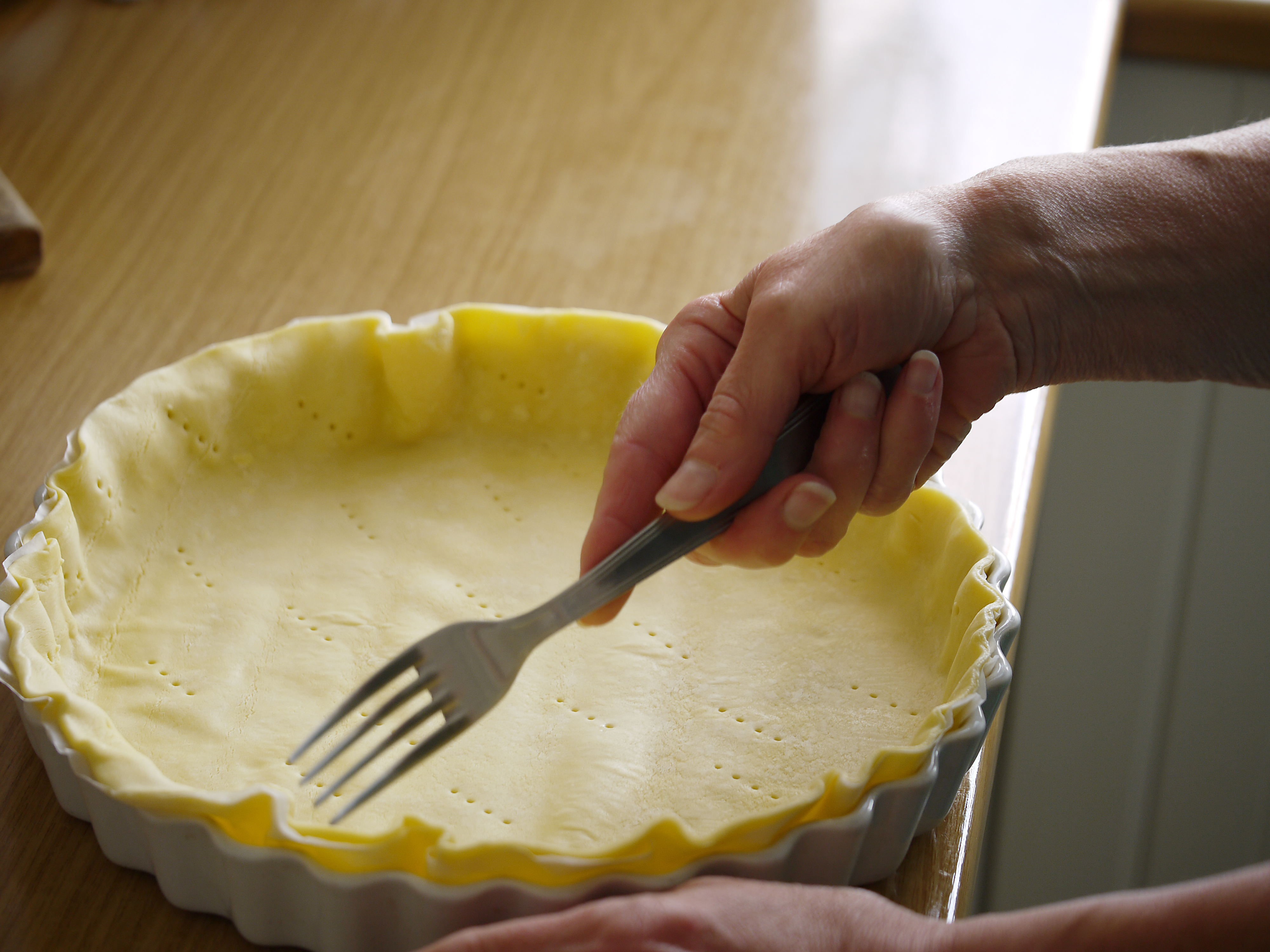
Cooking Techniques: Allergy Friendly Pie Crusts

website crusts

“Yay! Thanksgiving in October!”

My ninth grade daughter is taking French this year for the first time, and the high school she is at hosts an exchange program with another high school in France. We were asked to host a French student for two weeks, and one of the suggestions for entertainment was to have a Thanksgiving meal with them, since that would be a different experience for them.

We were happy to oblige, as you can tell by my son’s response above.

As we prepared, we explained to our French student that no matter what people say about the Turkey and the side dishes and the rolls, that Thanksgiving really is all about the pies: apple pie, pumpkin pie, mincemeat pie, cranberry pie, pecan pie, sweet potato pie, pear pie, buttermilk pie, and every possible variation of these pies which exist.

For folks with food allergies, though, pies can be tricky. May people struggle with pie-making in general, even when you’re able to use white flour, butter, and salt. The thought of trying to make a pie crust with substitutions is something a lot of folks simply just don’t want to consider.

The good news, though, is that making a gluten, dairy, soy, salt free pie crust is actually easier than making a traditional pie crust. You just need to know a few things, and you’ll be on your way to a great Thanksgiving dessert buffet!

Tips for Allergy Friendly Pie Crusts:

1. It’s just a simple swap: Because pie crusts don’t need to rise the way breads and cakes do, you can simply substitute your favorite gluten free flour for the all purpose flour. No need to make up any special flour blends at all. If you want a flakier, crispier, closer to traditional pie crust, opt for flours like brown rice or sorghum. If you want a more substantive crust with flavor, protein and fiber, try garbanzo bean or gluten free oat flour. If you have a gluten free flour blend sitting around in your closet, you can by all means use, too.

2. Cold is best all the way around: All pie crust recipes call for cold butter or shortening, cold ice water, and to put the made crust in the fridge for a little while. Why? Because warm pie crust dough sticks and won’t roll very well. Warm pie crust dough makes for a denser, less flaky crust.

What I find works wonderfully is to stick your measured butter and/or shortening into the freezer for five 10 minutes or so before using, to put ice cubes into your water, and to put your prepared pie crust dough into the fridge for a minimum of thirty minutes, an hour at the most.

3. “Fat” substitutions work: I use soy free vegan butter and shortening in my pie crusts all the time without any difference. So you can simply use what works for you without worry. It’s a straight one to one substitution ratio. What you should know, though, is that the allergy friendly versions tend to be softer than regular butter and shortening so sometimes I freeze them a little longer more like 10 to 15 minutes.

4. Work around and with the rolling: When it comes to pie crusts, the rolling out of the dough is what usually causes issues for people. I’ve learned a couple of things:

One, you don’t have to roll the bottom crust. I shape my dough into a slightly flattened disk (about an inch high) which I cool in the fridge for my 30-60 minutes, and then I simply use my fingers to push the dough outward from the center to the edges. It takes less than five minutes and actually makes for a more even crust.

Two, when I do have to roll the crust for the top part of a pie, I’ve found that putting the dough between two pieces of wax paper which I’ve also lightly greased is the best approach. The dough rolls easily, doesn’t stick, and comes off when I go to put it on top of the pie.

5. Be creative with the flavoring: Salt is the go-to for pie crusts, but it doesn’t have to be. If you’re making an apple pie, add some cardamom to complement the cinnamon in the pie. If you’re making a pumpkin pie, add grated orange peel as a contrast to the pumpkin. If you’re making a sweet potato pie, add grated nutmeg to intensify the sweet potato taste. You simply add the spices to the dry ingredients of the pie dough before cutting in the fat.

6. Know the effects of the process: Another issue people often have problems with is making their dough too dry or too wet. It’s important to understand the dynamics of the different ways you process the dough:

If you use a food processor which is what many recipes say to do nowadays, the dynamics of the food processing blade means the water is incorporated quickly and efficiently. If you have cut the fat in yourself with a hand pastry blender of two knives and are adding the water by stirring the dough with a fork, the water will drain into different parts of your dough more quickly than you can stir it. As a result you will often need more water for hand processing than when using a food processor.

Also, a food processor will draw the dough naturally into a ball which makes it easy for you to see that you have enough water. When you stir the dough by hand, the dough will usually not form a ball unless you’ve added too much water.

So, a tip: If a recipe calls for a certain tbsp amount of ice water for use in a food processor, it will normally mean you’ll need about two tablespoons more for hand stirring, so if my dough looks dry after the amount specified, I will go ahead and add two more tablespoons, and then even if it looks dry still, I will push the dough together with my hands to form two disks. If the dough will stick together, it’s fine, if there are dry pieces falling off, I simply wet my hands with the ice water and incorporate those dry pieces into the disks.

Struesel Pear Cranberry Pie

(This recipe makes two pies)

Ingredients:

Pie crust, prepare enough for two bottoms only

1 cup agave

1/4 cup water

one 12 oz package of fresh cranberries (be sure to check for stems)

8 pears, washed, cored and sliced into 12-16 slices each

3 tbsp cornstarch

3 tbsp water

2 cups gluten free whole oats

1/2 cup sorghum flour

1 tsp cinnamon

1/2 tsp nutmeg

1/4 tsp ground cloves

1/2 cup vegan soy free butter*

Baking Instructions:

1. Prepare your favorite pie crust recipe. If you don’t have one, Bob’s Red Mill pie crust mix works very well. Would recommend adding some spices to jazz it up a bit, though.  Line the bottoms of two 9.5 inch pie pans with the crusts.

2. Mix agave with water and put into a stove top pan large enough to hold all the pears.

3. Add the cranberries and bring to a boil. Cook for a minute or two until the cranberries begin to pop.

4. When the majority of cranberries have popped, add the pears, stirring to coat with the cranberries. Cook for 3-5 minutes until pears have softened.

5. Mix the cornstarch with the water, and making a well in the center of the pear mixtures, slowly add the cornstarch, stirring continually. Mix the cornstarch syrup thoroughly with the pear-cranberry mixture, cooking for a minute or two to make sure the syrup has thickened.

6. Evenly divide the pear-cranberry mixture between the two pie crusts.

7. In a food processor, add the oats, sorghum flour, cinnamon, nutmeg, cloves and butter.  Process until the mixture is a nice crumbly topping.

8. Evenly distribute the topping over both pies to completely cover them.

9. Bake in a preheated 375 degree oven for about 40-45 minutes until the pie is bubbling and the streusel is golden brown.

10.  Cool completely before serving.

* This makes for a savory topping which contrasts with the sweetness of the pear-cranberry mixture. If you happen to like your toppings sweet, you should add a tbsp or two of Agave with the butter.


Recipe Experiment: Sorghum Quick Bread

“Well, can’t you make some healthy junk food for me to have as a snack?”

If my son was growing up in what the surveys say is a typical American home, he’d be a junk food junkie. Given the choice, cookies, ice cream, cake, chocolate, candy, would always win. As it is, though, he was born into our family so he is more of a junkie wannabe, constantly nagging me for all those things and resigning himself to a banana when the answer is, “No.”

The other day, though, he had a particularly rough day, and he really wanted something sweet but a banana wasn’t cutting it. (Yes, he must be my son, since he’s already learned that food can sometimes provide solace in the face of difficult days! No, I do not approve of folks “feeding” their problems, but face it, sometimes you just need some comfort food!)

One look at his little sad face, and I caved. Since I still have all that sorghum flour I mentioned in the sorghum pancake post, I decided I’d try experimenting. Maybe I could make a quick bread which would be a good healthy snack but provide that little sweet solace my son craved.

Since sorghum flour is so high in fiber, it seemed it would make a great base for a banana bread where ripe bananas would help to cut down on the need for sugar and the fiber in the sorghum flour would counter any spike in blood sugar levels from all the fructose. I didn’t want the bread to be too heavy, though, so I mixed a bit of brown rice flour, and then, because you know how much I like that protein-full garbanzo bean flour, I added that, too.

Because I wanted to steer clear of egg, dairy, and soy allergies, I used ground flaxseed and flax milk, using lemon to make a “buttermilk” and adding vinegar at the end to help the eggless, gluten free breads to rise.

I had wanted to use a little bit of safflower oil, but since the cupboards were bare of that, I opted for a coconut oil and used some coconut sugar, figuring any residual coconut taste would complement the bananas. To add other flavor, I decided this would be a spice bread and incorporated some cinnamon, nutmeg, ginger, allspice and cardamom. Then because this was supposed to be “medicinal” bread, I added mini Enjoy Life chocolate chips, and the results were two loaves of delicious, healthy snacking bread.

My son was happy that he got to eat a “healthy junky snack”, and I was happy that I was able to bring a smile to his face without compromising my principles surrounding junk food.

Sorghum Banana Quick Bread

Ingredients:

2 tbsp golden ground flaxseed mixed with 6 tbsp of water

1/2 cup flax milk* mixed with 1/2 tbsp lemon juice

2 cups mashed very ripe bananas

1/2 cup melted coconut oil**

1/4 cup Agave

2 cups sorghum flour

1/2 cup brown rice flour

1/2 cup garbanzo bean flour***

1/2 cup coconut sugar

1 1/2 tsp baking soda

1/2 tsp sea salt

2 tsp ground cinnamon

1 tsp ground cardamom

1/2 tsp ground ginger

1/2 tsp ground nutmeg

1/2 tsp allspice

1 1/2 cups Enjoy Life allergen free mini chocolate chips****

2 tbsp apple cider vinegar*****

Baking Instructions:

1. Line two 9 x 5 loaf pans with parchment paper so there are wings hanging over the sides of the pan for lifting the bread out, and preheat the oven to 350 degrees.

2. Mix together the flaxseed and water and let it sit for five minutes to thicken.

3. Mix together the milk and lemon juice and let that sit for five minutes to thicken.

4. Mix together the flaxseed mixture, the milk mixture, the mashed bananas, coconut oil and agave. Set aside.

5. Whisk together the sorghum, brown rice and garbanzo bean flours with the coconut sugar, cinnamon, cardamom, ginger, nutmeg, and allspice.

6. Add the chocolate chips to the dry mixture, and then add the dry mixture to the wet ingredients with the apple cider vinegar.  Mix quickly and well.

7. Evenly divide the batter between the two loaf pans.

8. Bake for 40 minutes until the bread is golden brown and a toothpick in the center comes out mostly clean.

9. Cool the bread for 10 minutes in the pan. Then remove the bread, using the parchment paper wings to a wire cooling rack. Cool another ten minutes, and then carefully slide the loaves off the parchment paper onto the wire rack.

10. Cool completely, slice and enjoy.  Or eat it while it’s still warm, if you can’t wait!

* You can use any other type of milk, too.

** Try it with safflower oil or vegan melted butter instead of coconut oil if you have a tree nut allergy.

*** If you have a legume allergy, just double the brown rice flour or opt for another type altogether.

**** If you want to mix it up, omit the chocolate chips and try using chopped dried plums or apricots or dates instead.

*****If you don’t have apple cider vinegar, white distilled is fine.

Final Note: If you don’t want to use all those spices, don’t. Feel free to omit any of them or experiment with your own flavors.


Menu Suggestion: Sorghum Pancakes with Peach Compote

website sorghum pancakes

 Again?

A couple of months ago, I noticed a special deal on a gluten free flour blend, six 3 lb bags for essentially about $1 each. I decided it was too good a deal to pass up because I bake so much for the workshops I teach, and I put in for two orders of the flour, thinking that 12 bags would hold me for a long while.

When the ordered arrived, it was in two separate boxes.  One contained six bags of the gluten free flour blend I had ordered, but the second batch was six bags of straight sorghum flour. I called up the company, and they apologized and said they’d send out the correct order of flour immediately.

I asked about sending back the incorrect flour and was told that because of certain restrictions, they aren’t allowed to receive food back. I wasn’t sure what I’d do with six bags of straight sorghum flour, but I figured I’d find a use.

When the new box came in, I eagerly opened it, only to discover that they’d sent me another six bags of sorghum flour!

When I called the company again, they determined that something must be wrong with their ordering system and that they would not be able to sell anymore flour under the special deal until they figured out the problem. They refunded my money for the second order of six bags, but once again told me that I had to keep the incorrect flour.

So, in the end I only received six bags of the flour blend at the special price, and I now had twelve bags of sorghum flour which I had neither ordered nor needed.

This morning, I decided I would begin to make use of some of that flour, and I worked out a recipe for sorghum pancakes which not only came out delicious but which the children have asked that I make again with different variations.

Sorghum Pancakes

(This makes a lot of pancakes so cut the recipe in half if you’re not cooking for a large family or want a lot of leftovers.)

Ingredients:

5 cups sorghum flour

1 tbsp baking powder

1 tsp baking soda

2 tsp cinnamon*

1/2 tsp salt

4 cups “milk” (I used flax this time, but might try soy next time)

4 tbsp lemon juice

2 tbsp Agave

2 eggs

1/4 cup melted coconut oil**

Cooking Instructions:

1. Whisk together the sorghum flour, baking powder, baking soda, cinnamon and salt.

2. Mix the milk with the lemon juice and let it sit for five minutes.

3. Whisk together the agave, eggs, and melted coconut oil. Add the milk.

4. Mix the dry ingredients until the wet quickly until all the dry ingredients are incorporated. Let the batter sit for at least ten minutes. It will bubble and thicken.

5. On a heated pancake griddle (350 degrees) or pan over medium high heat on the stove, pour 1/4 cup of the batter per pancake. Let the pancake cook for a couple of minutes until the edges become dry and bubbles form. Flip and cook for another minute until the second side is done.

6. As the pancakes are cooking, make peach compote: Slice eight peaches into six lengthwise slices each and put into a large shallow pan on the stovetop. Mix 1/4 cup agave with 1 tsp cinnamon and pour over the peaches. Cook the peaches for about five to ten minutes over medium low heat until the peaches are soft and the liquid as thickened.

7. Serve the pancakes with the peach compote*** on top.

* If you are planning on serving the pancakes by themselves, they need a bit more flavor, so you should add something besides the cinnamon, like 2 tsp of vanilla or orange peel. If you don’t have sodium issues, you might want to increase the salt to 1 tsp.

** If you don’t want to or can’t use coconut oil, melted vegan butter or safflower oil are good substitutes.

*** You don’t have to use peaches. You could try these pancakes with a blueberry or apple compote, too.


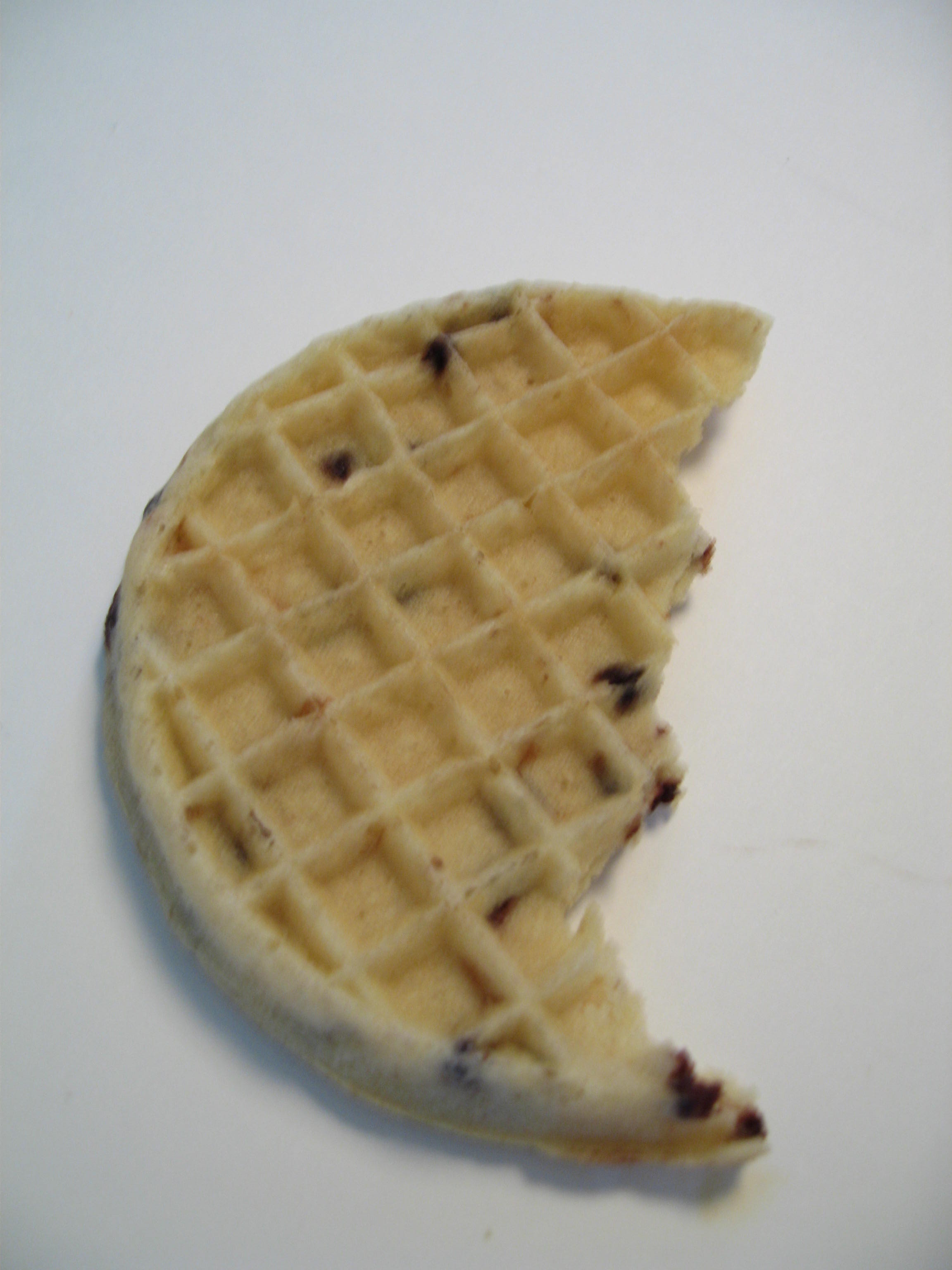
Recipe Makeover: Waffles

website waffles

“But I was good all week; I went to school!”

My two daughters love school — my oldest because she’s academically inclined; my middle child because she’s socially inclined. My son, however, believes school was designed by adults who want to torture little boys. His current goal is to grow up to become President of the United States for the sole purpose of changing the laws which mandate that children need to attend school.

Still, I laughed this morning when he asked if I would make waffles for special breakfast, and his reason for why I should was because he had been good by going to school all week. What he thought he might have been able to do otherwise, I do not know….

To be honest, though, I hadn’t been inclined to make waffles because we had always used a lovely recipe from my mother-in-law which now I can’t use due to my new wheat sensitivity and dairy allergy. So, I had been making a lot of French toast and pancakes and frittatas instead for our special Saturday breakfasts. However, I bit the bullet this morning and decided to attempt a recipe makeover and see what happened.

What happened was that the waffles came out delightfully delicious and perfect with no inkling that they weren’t the same waffles from my mother-in-law’s recipe, so I’m going to share the makeover this morning in case anyone else has a son wanting waffles to eat.

Original Waffle Recipe:

1 1/4 cup whole wheat flour, 1 cup wheat germ, 2 tbsp sugar, 1 tbsp baking powder, 1 tsp salt, 2 cup milk, 1/2 cup vegetable oil, and 2 eggs.

The Makeover:

1. Flour: I had loved this recipe because it called for 100% whole wheat flour which is more nutritionally dense than white flour. To make it gluten free, though, required making some choices. I could use a more nutritionally dense flour like garbanzo bean and gluten free oat flours which are usually my flours of choice, but waffles really require a lighter, finer flour if you want them to come out light and airy, so I chose instead to use a brown and sweet rice flour blend from Authentic Foods instead.

2. Wheat germ: Because wheat germ has added nutritional benefits I didn’t really want to simply replace this part of the recipe with more flour. So, instead, I opted to replace it with golden ground flax seed which is a great addition for those omega-3’s and has a similar texture and consistency to wheat germ.

3. Sugar: Since I rarely use refined white sugar, I decided to use 1 tbsp of Agave in place of the sugar.

4. Baking powder and salt: Since baking powder has sodium in it, I reduced the amount of salt to 1/4 tsp and added 1 tsp of cinnamon for some flavoring.

5. Milk: Because of my dairy allergy, I decided to experiment with both soy milk and flax milk, since we usually make a double batch so the kids can toast up waffles during the week before school. The soy milk has the advantage of adding protein to the waffles. The flax milk would provide another alternative since I’m always watching how much soy I use in case my body decides to add yet a fourth allergy or sensitivity onto my plate. Both versions came out perfectly, so I would imagine that folks could experiment with almond or coconut milk, too. Rice milk is always an option, as well, but remember that it’s much thinner than all the other milks so sometimes it needs the addition of a tbsp of flour or arrowroot to thicken it.

Because I was concerned about getting the right thickness for the waffle batter and about how well the gluten free version would rise, I also decided to borrow a technique I use for pancakes and make a “buttermilk”. So, I added 2 tbsp of lemon juice to the 2 cups of “milk” and let it sit for a couple of minutes after stirring. This added acid to the batter which created a “just right” batter texture and perfectly risen waffles.

6. Vegetable Oil: So, nowadays you can google oils and find all sorts of reports saying that even the ones which were touted as good like safflower are bad. It’s difficult to know what to believe anymore. The truth is moderation in all things is always the key. Since the one thing which hasn’t changed — ever — is that people continue to tout the benefits of olive oil, I decided I’d use a blend for the waffles. Using olive oil alone would considerably alter the taste of the waffles s I used a blend of olive, canola and grapeseed which I purchase at BJs and keep in the house.

7. Eggs: Since no one has an egg allergy (currently!), and neither my husband nor I have cholesterol issues, I opted to just keep the eggs as is, and this recipe is marvelous because you just whisk the eggs in with the batter without having to separate the yolks from the whites and whip the whites, which takes so much more time to do. If someone does have to watch cholesterol and opts for using four egg whites instead of the two eggs, I would encourage you to then whip the egg whites and fold them into the rest of the mixed up batter.

8. Additions: Since I was creating a new waffle recipe, I decided it would be nice to try to jazz them up a little bit, so after whisking the batter, I gently folded in one cup of frozen mini wild blueberries. Not only did this make the cooked waffles pretty but it added a very nice taste to them.

Gluten and Dairy Free Waffles

Ingredients:

1 1/4 cup gluten free flour blend

1 cup golden ground flax seed

1 tbsp baking powder

1/4 tsp salt

1 tsp cinnamon

2 cups “milk” (soy and flax work well)

2 tbsp lemon juice

1/2 cup plant-based oil blend

1 tbsp Agave

2 eggs

1 cup frozen mini wild blueberries

Cooking Instructions:

1. Preheat waffle maker.

2. Whisk together the flour, ground flax seed, baking powder, salt and cinnamon. Set aside.

3. Whisk the lemon juice into the milk and let it sit for a couple of minutes.

4. Add the oil, agave and eggs to the milk, and whisk well.

5. Gently fold in the blueberries.

6. Put one cup of the batter into the waffle maker and cook according to the waffle maker’s design. (We have two; and for one, the light goes on when it’s done, but the other the light goes off. It always makes for an interesting morning!)

7. When the waffles are done, if you aren’t going to eat them immediately, put them onto a wire cooling rack so they can cool, and then put them into the fridge in a container. To reheat, simply toast them in the toaster on low.

Note: One recipe made 20 waffles for us with a waffle maker that makes four at a time.


Recipe Makeover: Birthday Cupcakes

website bday cupcakes

“Your credit card has been declined.”

My oldest is heading off to college at the end of the summer, and we’re discovering that preparing your child for college is akin to wedding planning: tiny details which you never considered suddenly pop up as huge decisions.

For example, should your child take her clock from her bedroom with her to college which would save you the cost of buying a clock for her dorm room but which would leave her bedroom at home clock-less for when she returns at winter break or when you use it as a guest room for the grandparents? Because, of course, having a clock to tell time is rather important even if the room will be unoccupied for 3/4 of the year from now on!

Or if the college encourages you to bring curtains to keep out sunlight in the early morning and campus lights in the evening but you don’t know your room assignment and the dorms all have differing window sizes, do you a) purchase curtains anyway, hoping you’ll hit the jackpot for correct sizing; b) wait and plan to buy the curtains the day you drop your child off, hoping that you will have both the time and the luck of finding a place close by that sells curtains; c) tell your daughter that she’s just out of luck and won’t have curtains at all; or d) cry because you’ve suddenly realized that your daughter is grown up enough to be leaving the house and you’re having discussions about whether or not to purchase her own curtains. (The answer, of course, is D!)

And with wedding planning, you suddenly discover that you are about to spend a lot more money than you had originally anticipated as a result of all those tiny details you hadn’t considered before.

So, the other day, we headed out, determined to shop for all that our daughter needed in one day-long expedition because unfortunately our time for such matters is rather short in between other summertime obligations. We went from discount store to discount store (to save money) over a course of several hours until….

We were fortunately at the last store of the day when suddenly the cashier tells me that the credit card I had been using was declined. I knew it couldn’t be that we’d reached our limit because, even with all the spending, we hadn’t even reached a thousand dollars, so I was confused but gave the cashier my second credit card.

When I got home, I discovered that our unusual spending pattern (I normally only use the credit cards for gas and groceries about once a week) had triggered a fraud alert on the card. It was nice to know that my credit card company was on top of possible fraudulent charges, but it had still been disconcerting to be told that my credit card was declined.

I find that when I speak to a crowd at one of my baking workshops that people sometimes have a fear that they’ll be called out as a fraud if they serve something that is allergy friendly — that people might think the made-over baked good isn’t as good as the tried and true white, flour, sugar and butter recipes.

I found myself worrying about the same thing when my daughter told me she wanted to make yellow cupcakes for her birthday party sleepover. To date, I hadn’t made yellow cupcakes because my crew always asks for chocolate over other varieties. As I poured over recipes, I finally decided to just bite the bullet and do it. What was the worse that could happen? I had already triggered one fraud alert; what harm could another do?

Original Yellow Cupcake Recipe from Betty Crocker:

2 1/4 cups all purpose flour, 1 1/2 cups sugar, 3 1/2 tsp baking powder, 1 tsp salt, 1 1/4 cups milk, 1/4 cup butter, 1/4 cup shortening, 1 tsp vanilla, and 3 eggs.

The Makeover:

1. The flour: We opted to use Bob’s Red Mill gluten free baking flour which mixes garbanzo bean, fava bean, and sorghum flours with potato starch and tapioca starch. It’s a nice dense flour which would give us the consistency you normally find in a yellow cupcake but which would add protein and fiber. We added xanthan gum and the mix was complete. We increased the flour amount by a quarter cup, though, because we opted to swap out the sugar with liquid agave.

2. The sugar: We decided that Agave would be the better way to go, because my daughter didn’t want to risk any aftertaste with Stevia or texture issues with coconut sugar. This meant decreasing the amount needed to half of the sugar called for. It also meant increasing the flour a bit to compensate for the extra liquid.

3. The milk: We chose to use flax milk because that was what we had in the house at the time. Substituting soy or rice milk would work just as well.

4. The butter and shortening: Since we wanted the cupcakes to come out as close to the original as possible, we decided against decreasing the amount of fats called for, simply opting to substitute a soy free vegan “butter” for the butter and using a vegetable shortening as called for.

5. The eggs: Again, since we didn’t want to mess with the “yellow” in the yellow cupcakes, we went ahead and used the three eggs. If I had been choosing myself, I would have opted to make “white” cupcakes and used only egg whites for a healthier version. This would have meant whipping the egg whites and incorporating them into the batter just before baking. But my daughter insisted on yellow cupcakes so we kept the yolks.

6. The salt: Normally I would decrease the salt by half, but since teenage girls don’t need to worry yet about salt intake, I figured it was okay to just leave it as is.

7. The verdict: I have to say, none of the girls realized that the cupcakes were a made-over version. We got rave reviews — especially since my daughter decorated them with cute monkey and panda bear faces!

Yellow Cupcakes

Ingredients:

2 1/2 cups Bob’s Red Mill gluten free baking flour blend

1 tsp xanthan gum

3 1/2 tsp baking powder

1 tsp salt

1/4 cup vegan soy free “butter”

1/4 cup vegetable shortening

3/4 cup Agave

3 eggs at room temperature

1 tsp vanilla

1 1/4 cup flax milk

Baking Instructions:

1. Preheat the oven to 350 degrees. Line cupcake tins with cupcake liners. (I like to use “If You Care” brand muffin liners.)**

2. Whisk the flour, xanthan gum, baking powder, and salt together well and set aside.

3. Cream the butter and shortening together in a mixer. Scrape down the sides.

4. While the mixer is on low, very slowly pour in the Agave a little bit at a time, stopping occasionally to scrape down the sides.

5. Add the eggs, one at a time, blending well before adding the next one. Scrape down the sides.

6. Add the vanilla and blend.

7. Add the flour mixture alternately with the milk mixture, beginning and ending with the flour mixture. Blend just until the dry ingredients are moistened.

8. Evenly divide the batter among the muffin cups, and bake for about 20 minutes.  The cupcakes will be rounded and golden and a toothpick inserted into the center will come out mostly clean. (Note: You’ll still have a few tiny pieces sticking to the toothpick. If you wait for a completely clean toothpick, the cupcakes will be overcooked and dry. As soon as the tops spring back when you lightly touch them instead of being a liquidy center, you should presume they’re done.)

9. Cool the cupcakes in their tins on a wire cooling rack for five to ten minutes before removing them to the wire cooling racks for complete cooling.

10. Frost as desired and enjoy!

** We made 18 regular size cupcakes with this batter, but we fill the tins pretty full, about 3/4 full because I like the cupcakes to rise up over the top.  If you fill them the traditional 2/3 full, you’ll probably get 24 cupcakes out of them.


Menu Suggestion: Stuffed Flounder

“We’d like to take you on a whale watch.”

Some friends of ours wanted to thank us for having been there for them over the years and suggested treating us to a whale watch, something the children had always said they wanted to do but which we’d never had.

The day was beautiful, and as we began the journey towards the open seas, the children had a great time watching the waves, feeling the wind, and chatting with our friends. Slowly, however, we began to realize that our children suffer from seasickness, and within an hour of the trip, the children were… well, let’s just say, their symptoms weren’t the pleasant kind.

While my daughters were old enough to fend for themselves, I ended up being caretaker for my son, holding him, watching his face, helping him to rinse his mouth, and the like. By the time it was clear there really wasn’t much else left to come out of him, he was just plain exhausted, and he fell into a deep sleep.

Just after he fell asleep is, of course, when we finally reached the deepest waters and amazingly enough there were three beautiful whales to be seen for a very long time. Unfortunately, I couldn’t rouse my sleeping son to see it. After his miserable experience, he wanted nothing to do with the whales and just kept pushing me away, insisting he’d rather sleep. In the end he missed what would probably have been one of the best experiences of his life.

Sometimes I feel people behave similarly when it comes to the idea of eating fish. They had a bad experience once or they ate some which didn’t taste to their liking or they don’t like the look and smell of fish in general, and they write off all fish and end up missing food which is not only very healthy for them but which can be incredibly tasty.

Recently we wanted to make a special meal for dinner, and I chose to make flounder. Flounder is one of those fishes you’ll often find on a restaurant menu because it’s very mild tasting. As a rule my children actually prefer salmon over most white fish, but I like to use flounder (or sole, as it’s sometimes called, too) when I want to make a nice stuffed dish for a special occasion.

What’s nice about flounder is that is has all the health benefits of fish while also being low in mercury which they’re always telling you to be wary of eating too much of. For stuffing purposes, it’s a nice fish because they’re thin and layer and roll well.

By now, if you’ve been reading my blog for a while, you know that I’m a firm believer in making things as easy as possible. So, this post is about how to make a quick and easy stuffed flounder. There is no rolling of fish, no trying to hold the rolled fish and stuffing while trying to roll it in bread crumbs, too. This is my version of what is actually a very nice company dish, which you can adapt to your own tastes.

Tips for Stuffed Flounder:

1. The flounder: The two big debates you’ll always hear are “wild versus farmed” and “fresh versus frozen”. Generally speaking, people say that wild fish doesn’t have the types of chemicals you’ll find in farmed fish. Personally, I think you’re going to find both bad and good in anything you eat these days, from fruit and veggies covered in pesticides to milk produced from cows given growth hormones. Be wise about moderating what you, wash all your produce, and recognize that sometimes the good health benefits outweigh the possibility of ingesting something not as good. Fortunately, flounder isn’t as greatly farmed as salmon, so most flounder found in the stores are usually wild anyway.

As for fresh versus frozen, people make a big deal about frozen fish being second rate. I personally have never found anything to complain about. Frozen fish is cheaper and ready when you want to use it instead of having to eat it on its freshness timetable. The tip is to make sure that after you defrost it, you rinse the fillets and pat them completely dry. If you choose to purchase fresh flounder at a fish market or at the grocery store, make sure they’re fillets (unless you like skinning and boning a whole fish yourself, in which case, go for it) which are a nice white color, not graying, and which don’t smell – fresh flounder really doesn’t smell all that fishy.

2. The stuffing: You can use almost anything you want to stuff flounder. People will use bread crumbs, stuffing, rice, vegetables, even meat. I personally prefer to use vegetables, and the recipe I will be sharing uses frozen greens mixed with other sauteed vegetables.

So, you can choose spinach, kale, collards, turnip greens, your choice. For my recipe, it is important to use thawed frozen versions of these as opposed to fresh because you need the moisture from the frozen varieties for making the creamy sauce for the vegetable stuffing.

For other vegetables, any possible combination exists. My personal favorites are spinach and mushrooms or kale and zucchini and squash or collards and carrots, but you can use whatever foods you like best.

3. The topping: When you’re making a stuffed flounder, you can leave it bare or you can cover it. I prefer to cover the flounder because it helps to keep the flounder from drying out too much. Many recipes will call for either coating it in breadcrumbs or making a sauce to pour over it. I prefer to use a light breadcrumb topping because I’m not actually rolling the flounder to stuff it.

For a breadcrumb topping, I use a nice gluten free high fiber bread which I pulse into tiny breadcrumb pieces, but you can always use a gluten free packaged bread crumb mixture, too. The key is to not use as much as most recipes call for and to use a nice olive oil instead of butter and to mix it with lovely herbs for a great taste.

4. The preparation: Most stuffed flounder recipes tell you to individually roll the flounder around the stuffing, and it is true that those little rolled pieces of fish look quite pretty when you put them onto your company’s plate. The problem I find, though, is that it’s not always easy to roll the fish around the stuffing and to get it to stay rolled, and when you go to eat it, it’s actually quite a mess because the fish will fall apart and then you’re eating the fish and stuffing separately anyway.

So, what I do is to put a layer of fish on the bottom of a pan, put my stuffing on top of those fillets, and then cover the stuffing with a second layer of fillets. This way, you have fish on both sides of your stuffing without the hassle of rolling, and when you eat it, the tastes of the fish and the stuffing meld together in your mouth. In addition, when the fish is topped with bread crumbs, the final presentation is quite pretty and easy to serve.

Stuffed Flounder

(Recipe for a company crowd, can cut in half for a family)

Ingredients:

1 tbsp olive oil

1 tbsp minced garlic

1 tbsp minced onions

16 oz sliced mushrooms or sliced zucchini and squash or sliced carrots

10 to 16 oz thawed frozen spinach or kale or collards:  Do NOT squeeze out any of the liquid.

1/4 tsp ground black pepper

1 tsp dried oregano

1/2 tsp dried crushed thyme

8 oz tofu cream cheese

14 thin flounder fillets

1 cup gluten free high fiber bread crumbs

1 to 2 tsp olive oil

2 tsp Italian herb blend

Cooking Instructions:

1.  Lightly grease an 11 x 15 pan and preheat the oven to 375 degrees.

2. In a large sauteing pan, mix the olive oil with the garlic and onions and cook for about a minute over meduim low heat until fragrant.

3. Add the mushrooms or zucchini and squash or carrots and saute for 3 to 5 minutes until the vegetables are softer and beginning to cook through.

4. Add the spinach or kale or collards along with the pepper, oregano and thyme and cook for another 3 to 5 minutes until most but not all of the liquid has begun to evaporate.

5. Put the tofu cream cheese into the center of the vegetable mixture and continue to stir and mix the cream cheese into the vegetables over medium low heat until its completely melted and incorporated into the mixture. This usually takes about 2 to 4 minutes.

6. Layer seven flounder fillets on the bottom of the baking pan. Cover each fillet with the vegetable mixture. Cover the vegetable stuffing with the last seven fillets, and flatten the layered fish so it completely fills your pan and is even.

7. In the same pan you used for making the vegetable stuffing, mix the bread crumbs with just enough olive oil to moisten them and with the herb blend. Saute for a minute.

8. Evenly divide the bread crumbs over the top of the stuffed fillets and pat the crumbs down so they stick to the top of the fish.

9. Bake for about 20 minutes. The topping will be golden brown, the fish a nice white, and there will be some bubbling from the stuffed vegetable mixture.

If your oven runs hot, check it at 15 minutes. You don’t want to overcook the fish. If by some chance you do, overcook it a little bit, cover the pan with foil and let it sit, covered, until you’re about to serve it.  This will restore some of the moisture to the fish.

10. Serve the stuffed fish with a nice salad of mixed greens and herbs and enjoy!


Recipe Makeover: Strawberry Chocolate Mousse Pie

“I’ll bring a dessert.”

A lovely couple from our church invited our family over for dinner for the first time. The wife didn’t want us to bring anything other than ourselves, but I knew from experience that if I didn’t bring a dessert, my family probably wouldn’t be eating any since most people didn’t really know how to cook for someone with multiple food allergies.

As the family and I discussed what we should make, my middle child – who is a confirmed chocoholic –  said that it should be something chocolaty. My son asked if it could be something fruity. My oldest suggested that it be simple. My husband, per usual, said it should be a pie.

Armed with all these thoughts, I went online and found a recipe title which sounded great: Chocolate Strawberry Oasis Pie from loveandoliveoil.com. When I looked it up, it was essentially a chocolate cream pie with strawberries – quite doable and fitting all the above parameters.

The recipe, however, needed some tweaking if our family was going to be able to eat it. It wasn’t made for someone with allergies, and the caloric and fat counts were rather high. So, I set to work doing a recipe makeover, and the results are below.

Original Recipe:

For Crust:
Nonstick vegetable oil spray
6 tablespoons (3/4 stick) unsalted butter
1 ounce bittersweet (not unsweetened) or semisweet chocolate, chopped
7 ounces chocolate wafer cookies (about 30 cookies)
1 pint strawberries, trimmed and halved

For Filling:
2/3 cup sugar
1/4 cup cornstarch
2 tablespoons unsweetened cocoa powder
1/4 teaspoon ground ginger
1/8 teaspoon ground nutmeg
Pinch of salt
6 large egg yolks
2 1/2 cups whole milk
6 ounces bittersweet (not unsweetened) or semisweet chocolate, chopped
1/2 tablespoon bourbon
1 teaspoon vanilla extract

Read more at http://www.loveandoliveoil.com/2012/04/chocolate-strawberry-oasis-pie.html

The Makeover:

The Crust:  The crust needed to be allergy friendly, so the first thing I did was to substitute the chocolate wafers with a gluten, dairy, nut free version. When I was at the store, I actually found a brand of allergy friendly mini chocolate cookies which came in a 7 ounce bag, so I purchased a bag and used my food processor to grind the cookies into cookie crumbs.

For the 1 ounce chocolate, I substituted 1 tbsp of Enjoy Life mini chocolate chips which are free of just about every allergen out there.

For the butter, since it was going to be melted, I went ahead and used safflower oil instead so we’d get those good fats instead of the bad, and instead of using a vegetable oil spray, I simply brushed a tiny amount of safflower oil onto my pie pan.

The Chocolate Cream:  For the filling, I decided that I’d use Agave so I could reduce the “sugar” a bit by halving the amount, which also decreased some of the calories in the pie.

For the cocoa powder, I substituted a Special Dark unsweetened cocoa powder, because it has a deeper flavor which allowed me to reduce the 6 ounces of chocolate to 3 ounces, which cut back on more of the fat and calories. I used the Enjoy Life dark chocolate bar as an allergy friendly substitute for the chocolate called for in the recipe. (Note: I made a second pie where I used an unsweetened chocolate soy milk, omitted the cocoa powder altogether and just added the 3 ounces of chocolate at the end. This worked well, too.)

Now came the tricky part. This recipe called for 6 egg yolks which seemed a bit excessive. It makes for a really rich cream, yes, but if you’re trying to watch your cholesterol, it’s not the greatest. Since most recipes call for one to two egg yolks per cup of milk, I reduced the yolks to 4, since this would keep some of that yummy creaminess while reducing some of the fat and cholesterol.

For the whole milk, I used an unsweetened soy milk which reduced the fat and calories while also adding protein and being more dairy-allergy friendly. Since I was using Agave, I reduced the amount to 2 cups, too. If someone is allergic to soy, using an almond milk or a flax milk would work just as well.  If someone wanted to use rice milk, I’d suggest using the original amount of egg yolks or whisking in a tablespoon of allergy friendly flour per cup of rice milk so the cream will actually be thick.

As for the rest of the filling recipe, I omitted the bourbon altogether and decided that a pinch was probably about 1/8 tsp. Since I liked the addition of ginger and nutmeg, I kept that, as well as the vanilla.

The Strawberries:  The original recipe called for 1 pint of strawberries, halved. I opted to slice the strawberries into four thinner slices so the layers would be flat on the bottom of the crust. I also doubled the amount of strawberries to two pints so I could put a layer on the bottom as the recipe called for, but also on the top instead of topping it with whipped cream, which cut out a few more calories and fat. To preserve the strawberries on top, I lightly brushed a small amount of melted Polaner All-fruit over the tops of the strawberries.

The Cooking:  The final change I made to the recipe was how the filling was cooked. The original recipe called for mixing everything in a saucepan and cooking it directly on the stove top.  As I’ve discussed in the post for puddings, which is essentially what we’re making here, it’s always best to make a chocolate cream filling over a double boiler. You reduce the risk of accidentally burning your pudding, which definitely would not be a good thing! In addition, if you put plastic wrap up against the cream while it’s cooling, it won’t create that film which is unappetizing to look at and taste.

The Verdict:  We took the two pies to the lunch and shared it with three couples, who all agreed that it was rich, chocolately, and delicious!

New Recipe:  Strawberry Chocolate Cream Pie

Ingredients:

For Crust:
6 tablespoons safflower oil
1 tbsp Enjoy Life mini chocolate chips
7 ounces dairy, gluten, nut free chocolate wafer cookies (about 30 cookies)
1 pint strawberries, trimmed and sliced into fourths lengthwise, not as quarters

For Filling:
1/3 cup Agave
1/4 cup cornstarch
2 tablespoons Special Dark unsweetened cocoa powder*
1/4 teaspoon ground ginger
1/8 teaspoon ground nutmeg
1/8 tsp salt
4 egg yolks
2 cups unsweetened soy milk
3 ounces Enjoy Life dark chocolate bar
1 teaspoon vanilla extract

For Topping:

Small amount of Strawberry Polaner All-Fruit

1 pint strawberries, trimmed and sliced into fourths lengthwise, not as quarters

Cooking Instructions:

1. Lightly coat a 9-inch pie dish with safflower oil.

2. Heat the safflower oil mixed with the chocolate chips for 20 to 30 seconds, and stir until smooth.

3. Finely grind cookies in processor. Add chocolate mixture and process until crumbs are evenly moistened.

4. Press crumb mixture into prepared pie dish. Freeze until firm, about 30 minutes.

5. Arrange half of the strawberry slices in a single layer on the bottom of the crust.

6. Bring water to a boil in a small saucepan which your cooking pan can stably be on top of or fit into.

7. Whisk the agave, cornstarch, cocoa powder, spices, and salt in the cooking saucepan.

8. Beat the egg yolks and whisk them into the filling mixture.

9. Gradually whisk in the soy milk.

10. Cook the filling on top of the makeshift double boiler until the mixture thickens.  When I made it, it only took about five minutes to begin to thicken.

11. Remove the pan from the heat, and whisk in the chocolate until smooth. Then whisk in the vanilla.

12. Cool 5 minutes, stirring frequently.

13. Carefully spoon the filling over the strawberries until the cream is level with the top edge of the crust .

14. Place plastic wrap directly against the cream to prevent a “film” from forming. Chill for an hour.

15. Remove the plastic wrap and layer the remaining strawberry pieces on top of the cream. Brush the strawberries with the melted Polaners All Fruit.

16. Chill the pie until ready to serve.

* If using unsweetened chocolate soy or almond or other milk, omit the cocoa powder.

Summer Veggin’: Kale

website kale

“One’s the size of a grape; the other the size of a lemon. Good news is that none are the size of a grapefruit.”

Last week I had to have a biopsy. One of my children asked me what I was thinking as the doctor talked to me about my “very slight but we still have to check” possibility of cancer.

She laughed when I answered, “Honestly? I was wondering why doctors insist on using food for their size measurements. I love grapes and lemons, and now I’m not going to be able to look at them in the same way again!”

It may just be me, but wouldn’t quarters and golf or tennis balls suffice just as well? And while I’m already digressing:  Should anyone be given the choice of being awake or asleep during a biopsy, choose sleep, unless you are absolutely certain your doctor won’t insist on showing you what she has just removed! Because otherwise you might discover that you really will never eat another grape or lemon again.

Since my food choices are dwindling as the result of my experience, I decided it would be nice to do a post that might expand other people’s food options, and I’m opting to talk today about kale, one of my favorite summery foods.

For folks who might not be familiar with kale, it’s a cruciferous vegetable like cauliflower, cabbage and broccoli; and like those three, kale is very, very good for you. It’s has cholesterol lowering benefits, detoxifying properties, about 20 different needed nutrients, including omega 3’s, and is said to help reduce certain cancers.

I’ve found, though, that people don’t often know what to do with kale, so I’m going to share some thoughts with you.

1. Purchasing Kale:  When you buy kale from the store, look for them in fresh bunches in the produce section of the store. It’s cheaper that way! Stay away from bunches where the leaves look like they’re wilting, are beginning to yellow, or have many holes in them. Good kale will be a deep green with sturdy leaves.

2. Keeping Kale:  Do not wash kale until you are ready to use them. If you won’t be using them immediately upon purchase, put the bunch into a baggie which you can seal and put the kale into the fridge. I don’t often keep kale for longer than two to three days myself, but I’m told by others that kale will keep for a good five days or so in the fridge.

3. Freezing Kale: If I won’t be using kale within two days or so, I will freeze it. Best practices say to wash the kale, remove the leaves from the stems, blanch in boiling water for a minute or two, plunge into chilled water to stop the cooking, drain, dry and then put them into a freezer bag to freeze. I confess, I very rarely do that. I wash and dry my kale, chop the leaves off the stem into bite size pieces, stuff as much as I can into my freezer bag, seal it tightly without any air and freeze. I have not found much difference in the kale when I take it out of the freezer and pop it into a soup or casserole. The only thing blanching seems to do is slightly reduce the bitterness of kale, but I like that bitter taste. You can decide for yourself, though, whether I’m also just lazy.

4. Cooking with Kale: Kale is wonderfully versatile. You can use it in soups, casseroles, as chips, as a vegetable side dish, in stir frys, in omelets and anything else you’d normally use spinach for, in smoothies, and even in cakes! It’s moisture content keeps dishes from becoming dry and it’s slightly bitter tastes are a nice contrast to other herbs and seasonings and flavors in a dish.

Some things to keep in mind:

Always cut the kale leaves off the thick, woody stem. Those stems don’t taste very good.

Kale requires a bit of cooking time to soften so plan ahead that you’ll need to saute the kale for a good ten minutes or cook the soup a little bit longer.

Kale cooks down just like spinach so if you need a cup of cooked kale, you’ll need at least twice that amount of raw kale.

Keep kale handy in the freezer so you can simply add it to recipes without having to cook it to soften it first.

For easy chopping, after you’ve removed the leaves from the stem, just stack all the leaves on top of one another and slice.

5. Ideas for using Kale: We have several favorite ways of eating kale, but if you’re looking for a few easy ideas for getting started, here are three my kids really like:

One, is to make kale chips. Simply brush kale with a tiny bit of olive oil, sprinkle with the seasoning you prefer (salt, pepper, herbs, garlic or onion powder, grated parmeson, etc…), chop the leaves off the stems into bite size pieces, and bake in the oven on a cookie sheet at 350 degrees for anywhere from five to 20 minutes, depending on the sizes and thickness of your pieces until the leaves are dry and crispy.

Another suggestion is to make a bean and kale saute. Saute your chopped kale in a little bit of olive oil with chopped garlic and onions until the leaves have started to wilt, mix in white cannellini beans and cook until both are soft and warmed through. Top with a small sprinkling of chopped turkey bacon or shredded cheese, if desired.

Make a frittata: Brown chopped potatoes in a little bit of olive oil with some salt and pepper. Add chopped kale when the potatoes have crisped to your liking. Once the kale is soft and wilted, beat up some egg whites mixed with a couple of whole eggs and pour the egg mixture carefully over the potatoes and kale. Add herbs of your choice. Cover the pan and slowly cook the frittata over low heat until the eggs have cooked through.